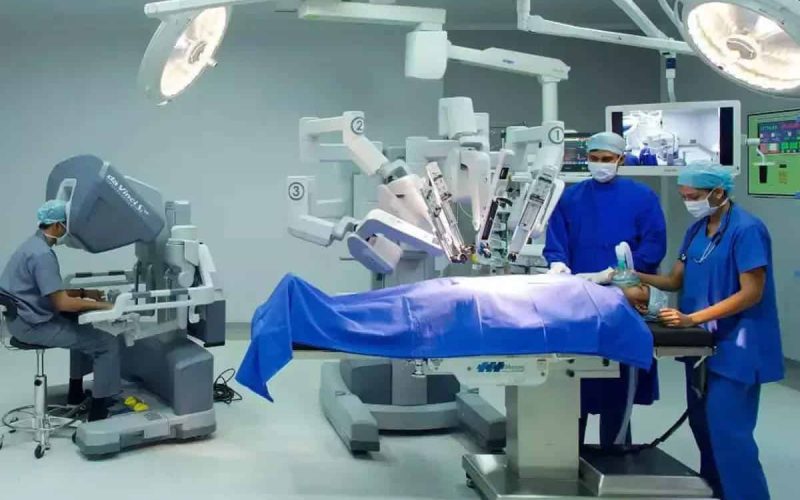
Heart Valve Replacement

By Dr Sanjay Kumar, Department of Cardiothoracic and Vascular Surgery (CTVS) at Medanta Super Speciality Hospital, Noida
 heart valve replacement surgery

Heart valve replacement is a surgical procedure used when a damaged heart valve cannot be repaired. In this surgery, the diseased valve is replaced with a biological (tissue) valve or a mechanical valve. Biological valves usually last 10 to 20 years, while mechanical valves can last a lifetime but require long-term blood-thinning medication to prevent clots. Valve replacement is a widely used and effective treatment for conditions such as aortic valve disease and mitral valve disease.

What Is Heart Valve Replacement?

Heart valve replacement is a surgical or minimally invasive procedure used to replace a damaged heart valve with a new one. The new valve can be biological, made from animal or human tissue, or mechanical, made from durable artificial materials.

This procedure is recommended for people with severe heart valve disease, especially when the heart is unable to pump blood effectively or when symptoms such as chest pain, breathlessness, dizziness, or fainting occur.

The heart has four valves—aortic, mitral, tricuspid, and pulmonary. While surgeons can replace any of these valves, the aortic valve is most commonly replaced, followed by the mitral valve. Replacement of the tricuspid and pulmonary valves is less common.

Heart valve replacement is an effective treatment for:

  • Aortic valve disease
  • Mitral valve disease
  • Tricuspid valve disease
  • Pulmonary valve disease
  • Congenital heart disease

Types of Replacement Heart Valves

A replacement heart valve is known as a prosthetic or artificial valve. There are two main types of replacement valves used in heart valve surgery.

1. Biological (Tissue) Valves

Biological valves, also called tissue or bioprosthetic valves, are made from animal or human tissue. These may include tissue from cows (bovine), pigs (porcine), or donated human valves (homografts). Some biological valves may also contain small artificial components.

Advantages:

  • Usually do not require lifelong blood-thinning medication
  • No clicking sound after surgery

Limitations:

  • Less durable than mechanical valves
  • Typically lasts 10 to 20 years
  • May require another valve replacement surgery in the future

2. Mechanical Valves

Mechanical valves are made from strong materials such as metal or carbon. The most common type is the bileaflet valve, which consists of two carbon flaps mounted in a fabric-covered ring. These valves are extremely durable and well-tolerated by the body.

Advantages:

  • Very long-lasting and may last a lifetime

Limitations:

  • Require lifelong blood-thinning medication (such as warfarin) to prevent clot formation
  • Regular blood tests are needed to monitor medication levels
  • Some patients may hear a soft clicking sound from the valve opening and closing

How the Right Valve Is Chosen

The choice between a biological and mechanical valve is made carefully and jointly between the patient and the surgeon.
The Director, Cardiovascular & Thoracic Surgery (Medanta Super Speciality Hospital, Noida) considers several important factors, including:

  • Your age
  • Risks associated with long-term blood thinner use
  • The possibility of needing another surgery later in life
  • Your lifestyle and personal preferences

This shared decision-making approach ensures that the selected valve best suits your health needs and long-term well-being.

Procedure Details

Which Surgery Is Best for Heart Valve Replacement?

Heart valve replacement can be done using traditional open-heart surgery or minimally invasive catheter-based procedures. The best option depends on several factors, including the type of valve disease, your age, overall health, surgical risk, the structure of the valve, and your heart function.

Traditional (Open-Heart) Valve Surgeries

These procedures involve opening the chest to replace the damaged valve and may include:

Catheter-Based (Minimally Invasive) Valve Procedures

These procedures use small cuts and thin tubes (catheters) and are becoming increasingly common, especially for aortic valve disease. They include:

  • TAVR ( Transcatheter Aortic Valve Replacement )
  • Transcatheter Mitral Valve Replacement (TMVR)
  • Transcatheter Pulmonary Valve Replacement (TPVR)

Your surgeon will carefully explain which option is most suitable for you, along with the expected benefits, possible risks, recovery time, and follow-up care.

How Should I Prepare for Heart Valve Replacement?

Before the procedure, you will receive detailed preparation instructions, which may include:

  • When to stop eating or drinking
  • Which regular medicines should be stopped or continued?
  • Blood tests, imaging, or other tests a day before surgery

Wear comfortable clothing and shoes that are easy to put on. You will also need someone to accompany you and drive you to and from the hospital.

What Happens During Heart Valve Replacement?

The exact steps depend on whether you are having open-heart surgery or a catheter-based procedure. In general, the process includes:

  1. Preparing the incision site
    The area is cleaned and shaved to minimise the risk of infection.
  2. Anesthesia
    You are given anaesthesia so you sleep during the procedure and feel no pain.
  3. Making the incision
    The incision may be in the centre of the chest, between the ribs, or in the groin, depending on the procedure.
  4. Heart-lung machine (if needed)
    For open-heart surgery, a heart-lung machine temporarily takes over heart and lung function. This is not required for catheter-based procedures.
  5. Valve replacement
    The diseased valve is removed and replaced with a biological or mechanical valve. In some catheter-based procedures, the new valve is placed inside the existing valve.
  6. Closing the incision and recovery
    Once the new valve is confirmed to be working properly, the incision is closed, and you are moved to the recovery area.

Heart valve replacement procedures usually take 1 to 4 hours. Catheter-based procedures are generally shorter than open-heart surgeries.

Benefits and Risks of Heart Valve Replacement

Benefits

Heart valve replacement:

  • Treats the root cause of valve disease
  • Relieves symptoms such as breathlessness and chest pain
  • Improves quality of life
  • Helps patients live longer

Catheter-based procedures often offer:

  • Shorter hospital stays
  • Faster recovery
  • Lower risk of infection

However, open surgery may be the better option in certain complex cases.

Potential Risks

As with any major heart procedure, risks may include:

  • Infection
  • Bleeding
  • Abnormal heart rhythm
  • Heart attack
  • Heart or kidney failure

Your healthcare provider will explain the specific benefits and risks based on your condition and the chosen procedure.

Recovery and Outlook

What Happens After Heart Valve Replacement?

After your heart valve replacement, you will begin recovery in the intensive care unit (ICU), where your medical team will closely monitor your heart, breathing, and overall condition. Once you are stable, you will be shifted to a regular hospital room.

Your care team will inform you how long you need to stay in the hospital. Many patients are also advised to take part in cardiac rehabilitation, a supervised program that helps them regain strength, improve heart health, and recover safely after valve replacement.

What Is the Recovery Time?

For most people, recovery after heart valve replacement takes about one to three months. Recovery is usually faster with minimally invasive or catheter-based procedures than with open-heart surgery.

During recovery, you can generally expect:

  • Feeling tired or weak for the first few weeks
  • Temporary restrictions on driving
  • Limits on physical activities, such as lifting heavy objects
  • A gradual return to work after several weeks or months

Your healthcare provider will guide you on what activities are safe and when you can slowly return to your normal routine.

Is Heart Valve Replacement Major Surgery?

Yes, heart valve replacement is considered major heart surgery. It is natural to worry about how it may affect your daily life and recovery time. Patients who undergo less invasive procedures often recover more quickly than those who have open-heart surgery. However, recovery varies from person to person.

Your provider will explain what to expect based on your specific procedure and overall health.

When Should I Call My Healthcare Provider?

Contact your healthcare provider during recovery if you experience:

  • Fever or chills
  • An irregular or fast heartbeat
  • Pain, redness, swelling, bruising, or discharge at the incision site
  • Pain, swelling, or discolouration in your lower leg (possible sign of a blood clot)
  • Sudden weight gain or swelling in your legs or feet

If you are taking blood-thinning medication, inform your provider if you fall—even if you feel fine—or if you notice unusual bleeding, such as from your gums or nose.

Seek emergency medical care immediately if you have symptoms of a heart attack or stroke.

A Reassuring Note for Patients

Receiving a new heart valve can bring many emotions—fear, relief, anxiety, or hope. These feelings are completely normal. Heart valve replacement is a common and well-established procedure, and advances in medical technology have made it safer and more successful than ever before.

Your healthcare team will support you at every step of the journey and help you feel confident about your recovery and long-term heart health.

Frequently Asked Questions

1. How long does a heart valve replacement last?

The lifespan of a replaced valve depends on the type used.

  • Mechanical valves can last 20–30 years or longer but usually require lifelong blood thinners.
  • Biological (tissue) valves last about 10–20 years and may not require long-term blood thinners.

2. Is heart valve replacement safe?

Yes. Heart valve replacement is a commonly performed and well-established procedure. With modern surgical techniques and minimally invasive options, success rates are high, especially when done at experienced cardiac centers.

3. Will I need to take medicines after valve replacement?

Yes. Most patients need medications after surgery, which may include blood thinners, antibiotics (before certain procedures), and heart medicines. Your doctor will decide based on the type of valve and your overall health.

4. Can I live a normal life after valve replacement?

Most patients return to a normal, active life after recovery. Many experience improved energy levels, better breathing, and relief from symptoms like chest pain or fatigue.

5. Is open-heart surgery always required?

No. Many patients can now be treated with catheter-based procedures like TAVR or TMVR, which do not require opening the chest. Your doctor will choose the best option based on your condition.

6. How painful is recovery after valve replacement?

Some discomfort is normal, especially after open-heart surgery, but pain is well-managed with medication. Minimally invasive procedures usually cause less pain and allow faster recovery.

7. When can I return to work after surgery?

Most people return to work within 6 to 12 weeks, depending on the type of procedure and the nature of their job. Your doctor will guide you based on your progress.

8. Do I need lifestyle changes after valve replacement?

Yes. A heart-healthy lifestyle is important. This includes:

  • Regular exercise (as advised)
  • Healthy diet
  • Avoiding smoking
  • Managing blood pressure, diabetes, and cholesterol

9. What are the warning signs after surgery?

Contact your doctor immediately if you notice fever, chest pain, shortness of breath, irregular heartbeat, swelling, or signs of infection at the incision site.

10. Will I need follow-up visits after valve replacement?

Yes. Regular follow-ups, heart scans (echocardiograms), and blood tests are essential to ensure your new valve is working properly.

Final Thought

Heart valve replacement is a life-saving and life-improving procedure for people with severe valve disease. While it is major surgery, advancements in medical technology have made treatment safer, recovery faster, and outcomes better than ever before. With the right procedure, proper care, and regular follow-ups, most patients go on to live active, fulfilling lives. If you have symptoms or concerns about your heart valves, early consultation with a cardiac specialist can make a significant difference in your long-term health.

Bypass Surgery vs Angioplasty: Which Is Better?

By Dr Sanjay Kumar, Department of Cardiothoracic and Vascular Surgery (CTVS) at Medanta Super Speciality Hospital, Noida
Bypass Surgery vs Angioplasty

Bypass Surgery vs Angioplasty: Which Is Better for Heart Blockage?

When someone is diagnosed with heart blockage, one of the most common questions they ask is:
“Should I go for angioplasty or bypass surgery?”

Both angioplasty and bypass surgery are proven treatments for coronary artery disease (CAD), but they are not the same, and one is not suitable for everyone. The best choice depends on the number of blocked arteries, the severity of blockage, overall health, and long-term heart safety.

In this blog, we explain the difference between angioplasty and bypass surgery, their benefits, risks, recovery time, and which option may be better for you, in simple, patient-friendly language.

What Is Angioplasty?

Angioplasty is a minimally invasive procedure used to open narrowed or blocked heart arteries.

How angioplasty is done:

  • A thin tube (catheter) is inserted through the wrist or groin
  • A balloon is inflated at the blocked area to widen the artery
  • A stent (metal mesh) is placed to keep the artery open

Best suited for:

  • 1 or 2 blocked arteries
  • Mild to moderate blockages
  • Patients with lower surgical risk

Advantages:

  • No open surgery
  • Short hospital stay (1–2 days)
  • Faster recovery
  • Less pain

Limitations:

  • Not ideal for multiple blockages
  • Higher chance of re-blockage in some patients
  • May not offer long-term protection in complex disease

What Is Bypass Surgery (CABG)?

Bypass surgery, also called Coronary Artery Bypass Grafting (CABG), is an open-heart surgery where blood flow is rerouted around blocked arteries.

How bypass surgery works:

  • A healthy blood vessel is taken from the chest, leg, or arm
  • It is attached above and below the blocked artery
  • This creates a new path for blood to reach the heart

Best suited for:

  • Multiple artery blockages
  • Severe or long blockages
  • Diabetic patients
  • Left main coronary artery disease

Advantages:

  • Better long-term results
  • Lower risk of repeat procedures
  • Better survival rates in multi-vessel disease
  • More permanent solution

Limitations:

  • Major surgery
  • Longer recovery time
  • Hospital stay of 5–10 days

Angioplasty vs Bypass Surgery: Key Differences

Factor Angioplasty Bypass Surgery
Invasiveness Minimally invasive Open-heart surgery
Best for 1–2 blockages Multiple blockages
Recovery time 1–2 weeks 6–12 weeks
Long-term durability Moderate High
Re-blockage risk Higher Lower
Survival benefit Limited in complex cases Better in severe CAD

Which Is Better: Angioplasty or Bypass Surgery?

There is no single answer for every patient.

Bypass surgery is generally better when:

  • More than one artery is blocked
  • Blockages are severe or calcified
  • The patient has diabetes
  • Previous angioplasty has failed
  • Long-term survival is a priority

Angioplasty may be better when:

  • Only one artery is blocked
  • Blockage is short and accessible
  • The patient cannot undergo major surgery
  • Faster recovery is needed

👉 Medical studies show that bypass surgery offers better survival and fewer repeat procedures in patients with multiple blockages.

Recovery Time Comparison

After Angioplasty:

  • Hospital stay: 1–2 days
  • Normal activity: 5–7 days
  • Complete recovery: 1–2 weeks

After Bypass Surgery:

  • Hospital stay: 5–10 days
  • Normal activity: 6–8 weeks
  • Full recovery: up to 3 months

Although angioplasty has a quicker recovery, bypass surgery offers stronger long-term heart protection for eligible patients.

Doctor’s Role in Choosing the Right Procedure

A cardiovascular and thoracic surgeon evaluates:

  • Number of blocked arteries
  • Location and severity of blockages
  • Heart pumping strength
  • Diabetes and blood pressure status
  • Age and overall health

Based on these factors, the doctor recommends the safest and most effective option, not just the easiest one.

Bypass Surgery and Angioplasty in Noida, Delhi NCR, Patna & Ranchi

Patients in Noida, Delhi NCR, Patna, and Ranchi now have access to advanced heart care, including:

  • Modern angioplasty with drug-eluting stents
  • Advanced bypass surgery techniques
  • Minimally invasive and off-pump bypass options
  • High-success cardiac rehabilitation programs

Early diagnosis and expert consultation significantly improve outcomes.

FAQs

Q1. Is bypass surgery safer than angioplasty?

Both are safe when done by experienced doctors. However, bypass surgery is safer in patients with multiple blockages.

Q2. Can angioplasty replace bypass surgery?

No. Angioplasty cannot replace bypass surgery in complex or multi-vessel disease.

Q3. Is bypass surgery permanent?

Bypass surgery offers long-term relief, but lifestyle changes and medicines are still essential.

Q4. Which is better for diabetic patients?

Bypass surgery usually provides better survival and fewer complications in diabetic patients.

Q5. Can blockage come back after angioplasty?

Yes, there is a higher chance of re-blockage compared to bypass surgery.

Q6. Is angioplasty painful?

Angioplasty is less painful and minimally invasive compared to bypass surgery.

Final Thoughts

Choosing between angioplasty and bypass surgery is a critical decision that should never be rushed. While angioplasty offers quick relief and faster recovery, bypass surgery remains the gold standard for patients with multiple or severe heart blockages.

The best treatment is the one that ensures long-term heart health, safety, and survival—not just short-term comfort.

If you or a loved one has been diagnosed with heart blockage, consult an experienced cardiovascular and thoracic surgeon to make an informed and confident decision.


High Cholesterol Explained: Symptoms, Causes & Prevention

By Dr. Sanjay Kumar, Department of Cardiothoracic and Vascular Surgery (CTVS) at Medanta Super Speciality Hospital, Noida
High Cholesterol: Causes, Symptoms & Heart Health Risks

High Cholesterol: Causes, Symptoms, and How It Affects Your Heart

High cholesterol is a common health concern that often goes unnoticed because it may not show clear symptoms initially. However, it can have serious consequences on your heart and overall health if left untreated. Understanding what cholesterol is, how it affects your body, and what you can do to manage it is crucial for maintaining cardiovascular health.

What Is Cholesterol?

Cholesterol is a type of fat (lipid) found in your blood. Your body needs cholesterol to build healthy cells, produce certain hormones, and aid in digestion. However, too much cholesterol, especially “bad” cholesterol, can be harmful.

  • LDL (Low-Density Lipoprotein): Known as “bad cholesterol,” high levels of LDL can lead to plaque buildup in your arteries.
  • HDL (High-Density Lipoprotein): Called “good cholesterol,” HDL helps remove LDL from your arteries and transports it to the liver for removal.
  • Triglycerides: Another type of fat in the blood; high levels may also contribute to heart disease.

Causes of High Cholesterol

Several factors can contribute to high cholesterol:

  1. Unhealthy Diet: Eating foods high in saturated fats, trans fats, and cholesterol can increase LDL levels.
  2. Sedentary Lifestyle: Lack of physical activity can lower HDL and raise LDL cholesterol.
  3. Obesity: Excess body weight is linked to higher LDL and triglyceride levels.
  4. Genetics: A family history of high cholesterol (familial hypercholesterolemia) can put you at higher risk.
  5. Medical Conditions: Diabetes, hypothyroidism, and kidney disease can contribute to high cholesterol.
  6. Age and Gender: Cholesterol levels naturally rise with age. Men are generally at higher risk earlier, while women’s risk increases after menopause.

Symptoms of High Cholesterol

High cholesterol often has no noticeable symptoms. Many people only find out during routine blood tests. However, extremely high levels can sometimes cause:

  • Chest pain (angina) or heart palpitations due to reduced blood flow to the heart
  • Fatty deposits under the skin (xanthomas), especially around the eyes or joints
  • Numbness or coldness in extremities due to poor blood circulation
  • Stroke or heart attack in severe cases

Some subtle signs may include changes in your skin or face, such as yellowish patches around the eyes or a grayish ring around the cornea, though these are less common.

How High Cholesterol Affects Your Heart

High levels of LDL cholesterol can lead to plaque buildup in arteries, a condition called atherosclerosis. Plaque narrows the arteries, making it harder for blood to flow. Over time, this can cause:

  • Coronary artery disease (CAD): Reduced blood flow to the heart, leading to chest pain or heart attacks
  • Stroke: If the arteries supplying the brain become blocked
  • Peripheral artery disease: Poor blood flow to limbs, causing pain or numbness
  • Blood clots: Plaque rupture can trigger clots, which may block blood flow

The higher your LDL cholesterol, the greater your risk for these serious cardiovascular events.

How to Know If You Have High Cholesterol

The only way to confirm high cholesterol is through a blood test called a lipid profile. This test measures:

  • Total cholesterol
  • LDL cholesterol
  • HDL cholesterol
  • Triglycerides

Adults are generally advised to check their cholesterol levels every 4–6 years, but those with risk factors may need more frequent testing.

Managing High Cholesterol

The good news is that high cholesterol can often be managed or lowered with lifestyle changes and, if needed, medications.

1. Healthy Diet:

  • Eat more fruits, vegetables, whole grains, and lean proteins
  • Limit saturated fats from red meat, butter, and full-fat dairy
  • Avoid trans fats found in processed foods and fried snacks
  • Include heart-healthy fats such as olive oil, nuts, and fatty fish

2. Regular Exercise:

  • Aim for at least 30 minutes of moderate exercise, like walking, five days a week
  • Exercise helps raise HDL (“good”) cholesterol and lower LDL

3. Maintain a Healthy Weight:

  • Losing excess weight can improve cholesterol levels and reduce heart disease risk

4. Avoid Smoking and Limit Alcohol:

  • Smoking lowers HDL cholesterol and increases heart disease risk
  • Limit alcohol intake, as excessive drinking can raise cholesterol and triglycerides

5. Medications:

  • If lifestyle changes are insufficient, doctors may prescribe statins or other cholesterol-lowering medications

FAQs About High Cholesterol

Q1. Can high cholesterol cause symptoms on the face or hands?
Yes, in rare cases, fatty deposits or yellowish patches (xanthomas) may appear on the skin.

Q2. Is cholesterol 250 considered high?
Yes. A total cholesterol level of 250 mg/dL is above the recommended range (less than 200 mg/dL is ideal).

Q3. Can high blood pressure worsen high cholesterol?
Yes. Both high blood pressure and high cholesterol increase the risk of heart disease and stroke.

Q4. Can high cholesterol increase suddenly?
Yes, factors like weight gain, poor diet, or underlying medical conditions can cause a sudden rise.

Q5. Can lifestyle changes really lower cholesterol?
Absolutely. Diet, exercise, quitting smoking, and weight management are very effective in controlling cholesterol.

Final Thoughts

High cholesterol is a silent condition that can seriously affect your heart and blood vessels. The key to preventing complications is early detection, lifestyle management, and proper medical care. Regular check-ups, a balanced diet, physical activity, and adherence to medications (if prescribed) can significantly reduce your risk of heart disease, stroke, and other vascular complications.

Remember, even if you feel healthy, it’s important to monitor your cholesterol levels and act proactively. Your heart will thank you!

Preparing for Heart Surgery: Answers to the Most Common Patient Questions

By Dr. Sanjay Kumar, Department of Cardiothoracic and Vascular Surgery (CTVS) at Medanta Super Speciality Hospital, Noida
Heart Surgery

Common Questions Patients Ask Before Heart Surgery

Heart surgery is a significant step, and it’s normal to have many questions and concerns before the procedure. Understanding what to expect can ease anxiety and help you prepare mentally, physically, and emotionally. In this guide, we will answer the most common questions patients ask before undergoing heart surgery.

1. Why do I need heart surgery?

Heart surgery may be recommended to treat conditions like blocked arteries, heart valve problems, congenital heart defects, or heart failure. Your cardiologist will suggest surgery if other treatments, such as medication or lifestyle changes, are not sufficient to improve your heart health.

2. What types of heart surgery are there?

There are several types of heart surgery, including:

  • Coronary Artery Bypass Grafting (CABG): This surgery improves blood flow to the heart by bypassing blocked arteries.
  • Heart Valve Surgery: Repairs or replaces damaged heart valves.
  • Heart Transplant: Replaces a diseased heart with a healthy donor heart.
  • Minimally Invasive Heart Surgery: Uses smaller incisions, reducing recovery time and risk.

Your doctor will explain which surgery is best for your condition.

3. How should I prepare for heart surgery?

Preparation is crucial for a successful surgery and smooth recovery:

  • Medical Tests: Blood tests, ECG, chest X-ray, and other investigations may be required.
  • Medication Management: Your doctor may adjust or stop certain medications before surgery.
  • Healthy Lifestyle: Eating well, avoiding smoking, and staying active as per your doctor’s advice can improve recovery.
  • Mental Preparation: Understanding the procedure and recovery process helps reduce stress.

4. What are the risks of heart surgery?

Like all major surgeries, heart surgery carries some risks:

  • Bleeding or infection at the surgical site
  • Heart rhythm problems (arrhythmias)
  • Stroke or blood clots
  • Complications related to anaesthesia
  • In rare cases,a heart attack or death

Your surgeon will discuss your individual risk factors and take measures to minimise them.

5. Will I feel pain after surgery?

Some discomfort is normal after heart surgery. Pain is usually managed with medications, and your care team will guide you on how to stay comfortable. Incision sites may feel sore or tight, and you may experience fatigue while your body heals.

6. How long will it take to recover?

Recovery time varies depending on the type of surgery and your overall health:

  • Hospital Stay: Most patients stay 5–10 days after major heart surgery.
  • Physical Recovery: It can take 6–12 weeks to return to normal daily activities.
  • Full Recovery: Complete recovery may take several months, especially after more complex surgeries.

Following your doctor’s advice on rest, exercise, and diet can speed up recovery.

7. What lifestyle changes should I make after heart surgery?

Heart surgery is an opportunity to adopt a healthier lifestyle to prevent future heart problems:

  • Eat a balanced, heart-healthy diet
  • Exercise regularly under medical guidance
  • Avoid smoking and limit alcohol
  • Manage stress with relaxation techniques or counselling
  • Take prescribed medications consistently

8. Will I need cardiac rehabilitation?

Yes, most patients benefit from cardiac rehabilitation, a supervised program that helps them recover physically and emotionally. It includes exercise training, education about heart-healthy living, and counseling to reduce stress.

FAQs

Q1. Can I have heart surgery if I am elderly?
Yes. Age alone is not a barrier. Surgeons assess your overall health to determine your suitability.

Q2. How do I know my heart surgery was successful?
Improved symptoms, better exercise tolerance, and follow-up tests like ECG or echocardiograms indicate success.

Q3. Will I need long-term medications after surgery?
Many patients continue medications to prevent blood clots, control blood pressure, or manage cholesterol. Your doctor will guide you.

Q4. Can I travel after heart surgery?
Travel is usually safe once your doctor confirms your recovery. Avoid long trips immediately after surgery.

Q5. How can I reduce anxiety before surgery?
Talking to your doctor, understanding the procedure, relaxation exercises, and support from family can help.

Final Thoughts

Heart surgery can feel overwhelming, but understanding the process, preparing well, and following your doctor’s instructions can make the journey smoother. Asking questions, attending follow-up appointments, and committing to a healthy lifestyle are key steps toward a successful recovery and a healthier heart.

Remember, each patient’s journey is unique. Don’t hesitate to speak openly with your cardiologist or care team—they are there to ensure your safety, comfort, and long-term heart health.

Weak Heart Pumping Symptoms & Treatment

By Dr. Sanjay Kumar, Department of Cardiothoracic and Vascular Surgery (CTVS) at Medanta Super Speciality Hospital, Noida
Weak Heart Pumping Symptoms & Treatment

Signs of Weak Heart Pumping: Symptoms, Causes & When to Seek Help

Your heart works tirelessly every second, pumping blood throughout your body to keep every organ functioning properly. But when the heart’s pumping ability becomes weak, your body does not receive the oxygen-rich blood it needs. This condition—commonly known as Heart Pumping Weakness or Heart Failure—can develop gradually and often goes unnoticed in the early stages.

It is a serious medical condition, but with early detection and expert treatment, many patients can lead a stable and healthy life. Understanding the symptoms is the first step toward protecting your heart.

Key Symptoms of Weak Heart Pumping

When the heart struggles to pump blood efficiently, several symptoms begin to appear. These signs should never be ignored:

1. Swelling in the Abdomen

Fluid may accumulate in the abdomen when the heart cannot circulate blood properly. Persistent bloating or abdominal discomfort can be an early warning sign.

2. Persistent Cough

A chronic cough—especially one that worsens while lying down—may indicate fluid buildup in the lungs, a common consequence of weak heart pumping.

3. Difficulty in Breathing

Shortness of breath is one of the most common symptoms. It may occur during physical activity, while talking, or even when resting. Many patients feel breathless at night and need to sit upright to breathe comfortably.

4. Extreme Fatigue

A weak heart cannot deliver enough oxygen to muscles and organs. As a result, even simple activities may cause exhaustion. Feeling tired throughout the day despite adequate rest is a concerning sign.

5. Neck Veins Becoming Prominent

Swelling or bulging of the neck veins indicates increased pressure due to poor blood circulation. Doctors often examine neck veins to assess heart failure severity.

6. Irregular Pulse Rate

An unstable pulse—too fast, too slow, or irregular—may reflect underlying problems such as arrhythmias. These rhythm disorders can weaken heart function further.

7. Swelling in the Legs and Feet

Fluid retention causes swelling in the ankles, feet, and sometimes in the legs. If your shoes feel tight or you notice puffiness, your heart may need evaluation.

What Causes the Heart’s Pumping Strength to Weaken?

Several medical conditions and lifestyle factors can reduce the heart’s pumping ability. The most common causes include:

  • High Blood Pressure (Hypertension)
    Constant high pressure forces the heart to work harder, eventually weakening it.
  • Coronary Artery Disease & Heart Attacks
    Blocked arteries limit blood flow, damage heart muscles, and impair pumping function.
  • Heart Valve Diseases
    Faulty valves disturb normal blood flow, putting extra strain on the heart.
  • Cardiomyopathy (Weak Heart Muscle)
    This condition may result from genetics, viral infections, alcoholism, or unknown causes.
  • Diabetes
    High sugar levels damage blood vessels and increase the risk of heart failure.
  • Thyroid Disorders
    Both hyperthyroidism and hypothyroidism can worsen heart function.
  • Excessive Smoking or Alcohol Consumption
    These habits gradually weaken the heart and impair circulation.

Understanding the root cause helps doctors provide precise and targeted treatment.

When Should You See a Heart Specialist?

If you experience two or more of the listed symptoms repeatedly, it is essential to consult a cardiologist immediately. Heart-pumping weakness becomes harder to treat when ignored for too long.

Early diagnosis saves lives.

How Is Heart Pumping Weakness Diagnosed?

Your heart specialist may recommend the following tests:

  • Echocardiography (ECHO Test) – Measures the heart’s pumping capacity and ejection fraction.
  • Electrocardiogram (ECG) – Checks heart rhythm and detects abnormalities.
  • Chest X-ray – Shows fluid buildup in the lungs and heart size.
  • Blood Tests (BNP/NT-proBNP) – Indicate stress on the heart.
  • Stress Test – Evaluates how the heart performs during physical activity.

These tests help determine the severity of heart failure and guide the right treatment plan.

Treatment Options

Treatment depends on the cause, severity, and overall health of the patient. Common approaches include:

1. Medications

Doctors may prescribe:

  • Diuretics
  • ACE Inhibitors
  • Beta-Blockers
  • ARBs
  • Digitalis
  • Blood pressure and rhythm-control medicines

These help reduce fluid overload, improve pumping strength, and protect heart muscles.

2. Lifestyle Modifications

Patients are advised to:

  • Reduce salt intake
  • Stop smoking and alcohol
  • Maintain a heart-healthy diet
  • Monitor weight and blood pressure
  • Engage in light, regular exercise
  • Manage stress
  • Sleep well

A disciplined lifestyle dramatically improves outcomes.

3. Devices & Advanced Treatments

In severe cases, the following may be required:

  • Pacemaker
  • ICD (Implantable Cardioverter Defibrillator)
  • CRT (Cardiac Resynchronisation Therapy)
  • Valve repair or replacement surgery
  • Coronary bypass or stenting

Your doctor will determine the best course of action.

How to Protect Your Heart?

To prevent or manage heart-pumping weakness:

  • Eat fresh, low-salt foods
  • Stay physically active
  • Avoid smoking and alcohol
  • Keep blood pressure and sugar levels under control
  • Maintain a healthy weight
  • Drink plenty of water
  • Attend regular heart check-ups

A healthy lifestyle is your heart’s best defence.

Expert Care for Heart Pumping Weakness

If you are experiencing symptoms or have risk factors such as high BP, diabetes, or a family history of heart disease, don’t delay your evaluation.

Contact for Advanced Cardiac Care

Dr. Sanjay Kumar
Director, CTVS
Medanta Super Speciality Hospital, Noida
📞 +91 73660-98456
🌐 www.drsanjaykumar.com

Dr. Sanjay Kumar specialises in advanced heart procedures and comprehensive cardiac care.

FAQs on Weak Heart Pumping (Heart Failure)

1. What does “weak heart pumping” mean?

It means the heart is not able to pump enough blood to meet the body’s needs. This condition is also called heart failure or reduced ejection fraction.

2. What is the most common early symptom?

Shortness of breath during activity or while lying down is often the first noticeable sign.

3. Can a weak heart be cured?

With early diagnosis and proper treatment, symptoms can improve significantly. In some cases, heart function can partially recover, but lifelong care is important.

4. Is swelling in the legs always related to heart problems?

No, but persistent swelling—especially along with breathlessness—can indicate fluid retention due to weak heart pumping.

5. How is a weak heart pumping diagnosed?

The most important test is an ECHO (Echocardiogram), which measures ejection fraction. ECG, blood tests, chest X-ray, and stress tests may also be required.

6. Can lifestyle changes improve heart pumping?

Yes. Reducing salt, exercising regularly, managing stress, and avoiding smoking/alcohol can significantly improve symptoms and heart function.

7. Does weak heart pumping require surgery?

Not always. Many patients manage well with medication. Surgery or devices are recommended only when necessary.

8. What is a dangerous ejection fraction (EF)?

An EF below 40% is considered reduced and needs medical attention. Below 30% requires urgent evaluation.

9. Can young people have weak heart pumping?

Yes. It can happen due to genetics, viral infections, lifestyle habits, or post-pregnancy conditions in women.

10. When should I see a heart specialist?

If you notice persistent breathlessness, swelling, fatigue, or irregular pulse, consult a cardiologist immediately.

Final Thought

Weak heart pumping is not a condition you should ignore. Early detection, the right diagnosis, and timely treatment can prevent complications and improve your quality of life. Pay attention to what your body is telling you—your heart’s health is your greatest wealth.


Major Causes of Heart Attack | Dr. Sanjay Kumar Noida

By Dr. Sanjay Kumar, Department of Cardiothoracic and Vascular Surgery (CTVS) at Medanta Super Speciality Hospital, Noida
Heart attack

Understanding the Major Causes of Heart Attack: What You Need to Know

Heart attacks remain one of the leading causes of death worldwide, yet many people are unaware of the underlying conditions that quietly increase their risk. A heart attack does not happen suddenly—it is usually the result of long-term damage or strain on the heart. Understanding these causes is the first step toward protection, prevention, and timely treatment.

In this blog, we explore the major causes of heart attack: heart valve disease, high blood pressure, cardiac arrhythmias, diabetes, and infections. Early detection and regular heart checkups can help reduce risks significantly.

1. Heart Valve Disease

Your heart valves regulate blood flow inside the heart, ensuring blood moves in the right direction. When one or more valves become damaged or diseased, the heart has to work harder to pump blood effectively. Over time, this added stress can weaken the heart muscles, increasing the risk of a heart attack.

Common symptoms include:

  • Shortness of breath
  • Chest pain
  • Fatigue
  • Swelling in the legs or ankles

Heart valve disease can be managed or treated effectively if diagnosed early. Regular cardiac evaluations are essential, especially if you have a history of rheumatic fever, congenital valve issues, or previous heart infections.

2. High Blood Pressure (Hypertension)

High blood pressure is one of the most common and dangerous causes of heart attack. When blood pressure remains elevated for long periods, it damages the arteries, making them stiff and narrow. This reduces blood flow to heart muscles, eventually causing blockages that can trigger a heart attack.

Uncontrolled hypertension also increases the risk of:

  • Stroke
  • Heart failure
  • Kidney damage

Monitoring blood pressure at home and maintaining a heart-healthy lifestyle can greatly reduce long-term risks.

3. Cardiac Arrhythmias

Arrhythmias are irregular heartbeats—too fast, too slow, or uneven. When the heart does not beat properly, it affects the flow of oxygen-rich blood throughout the body. Certain arrhythmias, such as atrial fibrillation, significantly increase the risk of clots, which can lead to a heart attack or stroke.

Symptoms may include:

  • Palpitations
  • Dizziness
  • Chest discomfort
  • Fainting

Timely treatment can help regulate the heartbeat and prevent complications.

4. Diabetes

Diabetes is not just a metabolic condition—it is a major cardiovascular risk factor. High blood sugar damages blood vessels and nerves that control the heart. Diabetic patients are more likely to develop blockages in their arteries and may experience a silent heart attack without the usual symptoms.

People with diabetes should:

  • Monitor sugar levels
  • Follow a heart-friendly diet
  • Get regular heart screenings

Good diabetes management can reduce heart attack risk by more than 50%.

5. Infections

Certain infections, especially viral infections, can inflame the heart muscles (myocarditis) or the inner lining of the heart (endocarditis). This inflammation weakens the heart and disrupts blood flow, potentially leading to a heart attack if ignored.

Post-infection symptoms like fatigue, chest pain, and shortness of breath should never be overlooked.

Common Symptoms You Should Never Ignore

Even if mild, these symptoms could indicate heart trouble:

  • Chest tightness or discomfort
  • Shortness of breath
  • Sudden fatigue
  • Pain in the jaw, back, or left arm
  • Palpitations or irregular heartbeat
  • Swelling in feet or legs
  • Dizziness or fainting

If you have diabetes, high BP, high cholesterol, or a family history, you should be more cautious.

How You Can Prevent a Heart Attack

Protect your heart by following these steps:

  • Keep blood pressure and sugar under control
  • Quit smoking and limit alcohol
  • Maintain a healthy weight
  • Exercise regularly
  • Eat a heart-healthy diet (low salt, low trans-fat, high fibre)
  • Go for regular cardiac checkups
  • Manage stress with meditation, yoga, sleep routine

Prevention is possible—only if you act early.

Get Expert Care at Medanta Super Speciality Hospital, Noida

If you experience symptoms or have risk factors, consulting an experienced cardiac surgeon is vital.

Dr. Sanjay Kumar
Director – Cardiothoracic & Vascular Surgery (CTVS)
Medanta Super Speciality Hospital, Noida
📞 +91 73660-98456
🌐 www.drsanjaykumar.com

Dr Sanjay Kumar specialises in high-risk cardiac conditions, minimally invasive surgery, valve repair, bypass surgery, and complex heart cases.

Final Thoughts

A heart attack is preventable in most cases—awareness, early detection, and timely medical care make all the difference. Knowing the causes helps you take charge of your heart health. Stay informed, stay proactive, and never ignore your heart’s warning signs. Your heart works tirelessly for you—give it the care it deserves.

Frequently Asked Questions (FAQs)

1. What are the main causes of a heart attack?

Heart attacks typically result from blocked arteries, heart valve disease, uncontrolled high blood pressure, diabetes, arrhythmias, and infections that affect heart function.

2. Can high blood pressure lead to a heart attack even if I feel fine?

Yes. High blood pressure is often called a “silent killer” because it causes artery damage without showing symptoms, significantly increasing heart attack risk.

3. Does diabetes increase the chance of a heart attack?

Absolutely. High blood sugar damages arteries and accelerates plaque buildup, making people with diabetes twice as likely to experience a heart attack.

4. How do infections affect heart health?

Viral or bacterial infections can inflame the heart muscle or lining, weakening the heart and leading to complications, including heart attacks.

5. What symptoms should I not ignore?

Chest discomfort, breathlessness, jaw or arm pain, dizziness, unusual fatigue, or palpitations—especially if persistent—should be evaluated immediately.

6. Can heart attacks be prevented?

Yes. By managing blood pressure, blood sugar, lifestyle habits, and getting regular cardiac screenings, most heart attacks can be prevented.

7. When should I consult a heart specialist?

If you have risk factors like diabetes, hypertension, valve disease, irregular heartbeat, family history, or persistent chest symptoms, see a cardiothoracic expert promptly.

8. Who is the best specialist for heart attack prevention and treatment in Noida?

Dr Sanjay Kumar, Director of CTVS at Medanta Super Speciality Hospital, Noida, is a leading expert in heart surgery and preventive cardiac care.

Bypass Surgery: Safe, Effective & Life-Saving Heart Treatment

By Dr. Sanjay Kumar, Department of Cardiothoracic and Vascular Surgery (CTVS) at Medanta Super Speciality Hospital, Noida
Bypass Surgery Explained: Safety, Prep & Recovery

Bypass Surgery: A Safe and Effective Treatment for Heart Blockages

Heart disease continues to remain one of the major health concerns in India, and for many patients, bypass surgery becomes a life-saving procedure. With advancements in cardiothoracic surgery and highly experienced heart specialists like Dr. Sanjay Kumar, Director CTVS at Medanta Super Speciality Hospital, Noida, bypass surgery has become relatively safe, effective, and highly successful.

If you have been advised to undergo bypass surgery, understanding what happens before the procedure can help you feel more confident and prepared.

Why Bypass Surgery Is Done

Bypass surgery, also known as Coronary Artery Bypass Grafting (CABG), is done when the arteries supplying blood to your heart become narrowed or blocked due to plaque build-up. This can lead to:

  • Chest pain (angina)
  • Breathlessness
  • Fatigue
  • Higher risk of heart attack

In such cases, bypass surgery creates a new route for blood to flow, restoring proper oxygen supply to the heart.

Bypass Surgery Is Relatively Safe and Effective

Modern-day cardiac care has significantly improved the safety of CABG. With specialized cardiac teams, advanced technologies, minimally invasive options, and precise surgical methods, bypass surgery now offers:

  • High success rates
  • Low complication risks
  • Long-term relief from symptoms
  • Improved quality of life

Under the care of Dr. Sanjay Kumar, an expert with extensive experience in complex cardiac surgeries, patients benefit from internationally aligned treatment standards and superior clinical outcomes.

What to Expect Before Bypass Surgery

Before undergoing bypass surgery, patients go through a detailed medical and lifestyle evaluation. This step ensures that the surgery is safe and tailored to your unique health needs.

1. Comprehensive Medical Evaluation

Your cardiologist and surgical team will conduct a full assessment, which may include:

  • Blood tests
  • ECG
  • Echocardiography
  • CT scans
  • Coronary angiography

These tests help determine the severity of blockages and the best surgical approach.

2. Adjustment of Medications

To reduce the risk of complications during surgery, your doctor may:

  • Stop certain medications temporarily
  • Add new medicines for stabilizing heart rhythm or preventing clots
  • Regulate diabetes or blood pressure medicines

Following medication instructions carefully is crucial.

3. Lifestyle Modifications

Before surgery, patients are advised to create heart-friendly habits, such as:

  • Stopping smoking immediately
  • Maintaining a healthy weight
  • Following a balanced, low-salt, low-oil diet
  • Keeping regular sleep cycles

These changes improve healing, immunity, and long-term heart health.

4. Psychological & Emotional Preparedness

Heart surgery can feel overwhelming. Many patients benefit from pre-surgery counseling, which helps reduce anxiety and prepares them mentally for the procedure and recovery.

Your medical team may guide you through:

  • What to expect on the day of surgery
  • How recovery will look
  • Managing stress or fear

A calm and confident mindset leads to better outcomes.

Why Choose Dr. Sanjay Kumar for Bypass Surgery?

Dr. Sanjay Kumar, Director of Cardiothoracic and Vascular Surgery at Medanta Super Speciality Hospital, Noida, is recognized for:

  • Expertise in minimally invasive and complex bypass surgeries
  • High surgical success rates
  • Advanced techniques tailored to individual patient needs
  • Patient-first approach with detailed counseling and follow-ups

With world-class infrastructure and a highly trained cardiac care team, Medanta Noida ensures safe, effective, and compassionate treatment.

Frequently Asked Questions (FAQs)

1. What is bypass surgery?

Bypass surgery (CABG) creates a new pathway for blood to reach the heart by bypassing blocked arteries, restoring oxygen supply.

2. Is bypass surgery safe?

Yes. With modern medical techniques and experienced surgeons like Dr. Sanjay Kumar, it is considered highly safe and effective.

3. How long does bypass surgery take?

The procedure typically takes 3–6 hours, depending on the number of blockages and the patient’s overall health.

4. How should I prepare before bypass surgery?

You may undergo medical tests, medication adjustments, lifestyle changes, and counseling to ensure the safest outcome.

5. Can I live a normal life after bypass surgery?

Yes. Most patients return to normal activities within weeks and experience long-term relief from symptoms.

6. Will I need medicines after surgery?

Yes, you may need medicines for heart protection, cholesterol control, and overall health management.

7. What lifestyle changes are required before surgery?

Stop smoking, eat healthy, manage weight, reduce salt intake, and stay mentally prepared.

8. How long is the hospital stay after bypass surgery?

Most patients stay for 5–7 days, depending on recovery progress.

9. When can I resume work?

Most patients can return to work in 4–6 weeks, depending on the nature of their job and medical advice.

10. Why choose Dr. Sanjay Kumar for bypass surgery?

He is a leading CTVS expert with high surgical success rates, advanced techniques, and a patient-focused approach.

Final Thought

Bypass surgery is no longer a procedure to fear — it is a proven, safe, and life-restoring treatment that has saved millions of lives worldwide. With modern medical advancements, expert surgical teams, and proper pre-surgery preparation, patients can expect excellent outcomes and a smooth recovery.

If you or your loved one has been advised to undergo bypass surgery, remember: timely treatment, the right surgeon, and the right care can make all the difference. Under the expert hands of Dr Sanjay Kumar, Director CTVS at Medanta Super Speciality Hospital, Noida, you receive world-class cardiac care backed by experience, precision, and compassion.

Your heart deserves the best — take the step toward a healthier, stronger future today.

Protect Your Heart This Winter: Expert Advice

By Dr. Sanjay Kumar, Department of Cardiothoracic and Vascular Surgery (CTVS) at Medanta Super Speciality Hospital, Noida
Protect Your Heart This Winter: Expert Advice

Heart Health in Winters: Essential Tips to Protect Your Heart

Winter brings cool breezes, cozy mornings, and a refreshing change in weather. But for many people—especially those with heart conditions—cold temperatures can pose serious risks. As the body adjusts to low temperatures, blood vessels constrict, blood pressure rises, and the heart works harder to maintain body temperature. This makes winter a crucial time to prioritise your heart health.

Understanding how to protect your heart during the colder months can help prevent emergencies and keep you healthier, safer, and more comfortable throughout the season.

Why Winter Is Hard on the Heart

When you step into the cold, your body automatically narrows blood vessels to conserve heat. This increases blood pressure and forces the heart to pump harder. For individuals with hypertension, heart disease, or diabetes, this extra stress can sometimes trigger chest pain, breathlessness, or even heart attacks.

But the good news is—simple daily habits can significantly reduce the risk.

Top Winter Heart Health Tips

1. Keep Your Body Warm

Layer your clothing, especially covering your head, neck, hands, and feet. A warm body keeps the heart from overworking. Avoid sudden exposure to cold wind after being indoors.

2. Avoid Excess Alcohol

Alcohol may make you “feel warm,” but it actually causes heat loss and puts extra pressure on your heart. Limit intake, especially during night outings or celebrations.

3. Do Not Shower for Long Periods

Hot water may feel relaxing, but long showers can suddenly alter your blood pressure. Keep baths moderately warm and short to protect your heart.

4. Listen to Your Body

Pay attention to early signs such as:

  • Chest discomfort
  • Breathlessness
  • Fatigue
  • Dizziness

If anything feels unusual, get medical help immediately.

5. Stick to a Heart-Healthy Diet

Winter cravings are natural, but overconsumption of fried foods, sweets, and heavy meals can raise cholesterol. Focus on:

  • Green vegetables
  • Seasonal fruits
  • Whole grains
  • Nuts and seeds
  • Home-cooked meals

Balance your diet with the right nutrients to support heart health.

6. Avoid Smoking

Smoking narrows blood vessels even more in winter and drastically increases the chances of heart attack. Quitting even in the colder months helps your heart almost instantly.

7. Exercise Regularly

Stay active indoors if it’s too cold outside. Activities like:

  • Walking
  • Yoga
  • Light stretching
  • Home workouts

help improve blood circulation and keep your heart strong.

8. Manage Stress

Winter blues and reduced sunlight can affect mental health. Practice relaxation through:

  • Deep breathing
  • Meditation
  • Talking to loved ones
  • Maintaining hobbies

A calm mind contributes to a healthy heart.

9. Drink Plenty of Water

Dehydration is more common in winter because thirst levels drop. Drink enough water throughout the day to support healthy blood flow and prevent thickening of blood.

10. Maintain a Healthy Weight

Weight gain is common during winter due to inactivity and festive eating. Extra weight increases the heart’s workload. Monitor your diet, stay active, and track your BMI.

Expert Winter Heart Care at Medanta

At Medanta Super Speciality Hospital, Noida, Dr. Sanjay Kumar, Director of Cardiothoracic and Vascular Surgery, provides advanced cardiac care with the latest diagnostic tools and treatment options.

Whether you have existing heart concerns or simply want to take preventive steps during winter, expert guidance can make a major difference.

Frequently Asked Questions (FAQs)

1. Why is winter risky for heart patients?

Cold temperatures cause blood vessels to tighten, raising blood pressure and increasing the heart’s workload. This can trigger chest pain or heart attacks in sensitive individuals.

2. How can I protect my heart during winter?

Stay warm, avoid overexertion, eat a heart-healthy diet, exercise regularly, stay hydrated, and avoid smoking or excess alcohol.

3. Does cold weather increase blood pressure?

Yes. Blood vessels constrict in low temperatures, which naturally raises blood pressure. Patients with hypertension must be extra cautious.

4. Can winter cause heart attacks?

Yes. Winter is known to have a higher incidence of heart attacks due to blood pressure spikes, dehydration, stress, and increased blood thickness.

5. What kind of exercise is safe during winter?

Indoor walking, yoga, stretching, cycling, or light home workouts help maintain circulation without sudden cold exposure.

6. Should heart patients avoid long, hot showers in winter?

Yes. Sudden temperature changes can cause fluctuations in blood pressure. Keep showers warm—but short.

7. Can dehydration happen in winter?

Absolutely. People feel less thirsty in winter but still lose body fluids. Dehydration thickens blood and stresses the heart.

8. Is alcohol harmful to heart health in winter?

Excess alcohol gives a false feeling of warmth and strains the heart. It also affects hydration and blood pressure levels.

9. How can stress affect the heart in winter?

Seasonal stress, lack of sunlight, and winter blues can raise cortisol levels, increasing heart strain. Relaxation practices help.

10. When should I consult a heart specialist?

If you experience chest pain, breathlessness, dizziness, sudden fatigue, palpitations, or have pre-existing heart conditions, consult a cardiologist immediately.

Final Thoughts

Winter is a beautiful season, but it requires awareness—especially when it comes to your heart. By following simple habits like keeping warm, staying hydrated, exercising, and eating right, you can enjoy the cold months safely. Your heart deserves extra care during winter, and small lifestyle changes can protect you from major risks.

Heart Attack, Heart Failure & Cardiac Arrest Explained

Heart Attack, Heart Failure & Cardiac Arrest Explained

Heart Attack, Heart Failure, and Cardiac Arrest: Understanding the Difference

When it comes to heart diseases, terms like heart attack, heart failure, and cardiac arrest are often used interchangeably. However, they are not the same — each condition affects the heart differently and requires distinct treatment approaches. Understanding these differences can help you recognise early warning signs, seek timely medical care, and possibly save a life.

What Is the Difference Between Heart Attack, Heart Failure, and Cardiac Arrest?

Heart Attack (Myocardial Infarction)

A heart attack, medically called myocardial infarction, happens when a part of the heart muscle doesn’t get enough oxygen-rich blood. The heart needs a continuous supply of oxygen to function properly. When one or more coronary arteries — the blood vessels that supply the heart — become blocked, the oxygen supply to that area of the heart is cut off.

This blockage is most often caused by a buildup of fatty deposits (plaque) inside the arteries. If a piece of this plaque breaks off, it can form a blood clot, which suddenly stops the flow of blood. Without oxygen, that part of the heart muscle begins to get damaged — and if not treated quickly, the tissue can die permanently.

Common Symptoms of a Heart Attack

The signs of a heart attack can vary, but the most common ones include:

  • Chest pain or pressure: A feeling of tightness, heaviness, or squeezing in the centre or left side of the chest. It may last for a few minutes or come and go.
  • Pain spreading to other areas: The discomfort can move to the arms, shoulders, neck, jaw, or back.
  • Shortness of breath: Breathing becomes difficult, even while resting.
  • Sweating, nausea, or dizziness: Many people experience a cold sweat, lightheadedness, or a feeling of sickness.
  • Extreme fatigue or discomfort: Feeling unusually tired or weak without reason.

It’s important to know that not everyone feels severe chest pain. Some may only feel mild discomfort or fatigue, especially women and older adults.

Why Immediate Treatment Matters

A heart attack doesn’t always strike suddenly — it may develop gradually, with mild pain or discomfort that worsens over time. However, once a blockage occurs, every minute counts.

Prompt medical attention can save heart muscle and prevent complications like heart failure or cardiac arrest. Doctors may perform:

  • Angioplasty: A procedure to open the blocked artery using a balloon and a stent.
  • Clot-dissolving medication (thrombolytics): Drugs that help break up the clot and restore blood flow.

The sooner treatment starts, the better the chance of recovery and of reducing heart damage.

In simple terms, a heart attack is a plumbing problem of the heart — the blood flow through the arteries gets blocked, causing damage. Recognising symptoms early and getting emergency care immediately can be the difference between life and death.

Cardiac Arrest

A cardiac arrest is a sudden and life-threatening emergency where the heart stops beating properly. Unlike a heart attack, which is caused by a blockage in the blood vessels, cardiac arrest happens because of an electrical malfunction in the heart’s system that controls its rhythm.

The heart normally beats in a regular pattern to pump blood effectively throughout the body. However, during cardiac arrest, the electrical signals become chaotic or irregular — a condition known as an arrhythmia. One of the most common dangerous arrhythmias is ventricular fibrillation, where the lower chambers of the heart (ventricles) start to quiver instead of pumping blood.

When this occurs, the heart can no longer send oxygen-rich blood to the brain, lungs, and other vital organs. Within seconds, a person may lose consciousness, stop breathing, and have no pulse. Without immediate treatment, brain damage or death can occur within minutes.

Key Symptoms of Cardiac Arrest

Cardiac arrest happens suddenly and without warning. The major signs include:

  • Sudden collapse — The person may fall unconscious without any prior symptoms.
  • No pulse or breathing — The heart stops pumping, and breathing ceases.
  • Loss of consciousness — The individual becomes unresponsive almost instantly.

Sometimes, a few warning signs may appear beforehand, such as chest discomfort, shortness of breath, or palpitations, but in most cases, it strikes without notice.

Emergency Response and Treatment

Cardiac arrest is a medical emergency. Immediate action is crucial to save the person’s life. The steps include:

  1. Call emergency services immediately (such as 108 in India or 911 in other countries).
  2. Start CPR (Cardiopulmonary Resuscitation) — This involves giving chest compressions to maintain blood flow to the brain and heart.
  3. Use an AED (Automated External Defibrillator) if available — It delivers an electric shock to the heart to restore a normal rhythm.
  4. Continue CPR until medical help arrives.

Every second counts — performing CPR and using a defibrillator can double or triple the chances of survival. After revival, patients are typically treated in hospitals with medications, cooling therapy, and further evaluation to find out why the cardiac arrest occurred.

The Difference Between Cardiac Arrest and Heart Attack

While both conditions involve the heart, their causes and outcomes differ:

  • A heart attack is a circulatory problem caused by a blockage in blood flow.
  • A cardiac arrest is an electrical problem where the heart suddenly stops functioning.
  • A heart attack can lead to cardiac arrest, but not all cardiac arrests are caused by heart attacks.

In simple terms, a cardiac arrest is like a power failure of the heart — it stops suddenly due to an electrical short circuit. Quick action through CPR and defibrillation can bring the heart “back online” and save a life.

Heart Failure

Heart failure does not mean that the heart has stopped working completely. Instead, it means that the heart muscle has become too weak or stiff to pump blood effectively throughout the body. Because of this, organs and tissues don’t get enough oxygen and nutrients, leading to fatigue and other health problems.

This condition usually develops gradually over time due to other heart issues, such as:

  • High blood pressure (hypertension) – which forces the heart to work harder, eventually weakening it.
  • Coronary artery disease – narrowing of the arteries that supply blood to the heart muscle.
  • Previous heart attacks – which can damage heart tissue and reduce its pumping efficiency.

Common Symptoms of Heart Failure

  • Shortness of breath during activity or while lying flat
  • Swelling in the legs, ankles, or feet (edema)
  • Constant tiredness and weakness
  • Rapid or irregular heartbeat

Heart failure is a chronic (long-term) condition, not a sudden event. While it can’t be completely cured, it can be managed effectively with proper medical treatment, medications, a healthy diet, regular exercise, and, in some cases, surgical interventions.

Early diagnosis and consistent care can greatly improve quality of life and help prevent the condition from worsening.

Key Differences Between Heart Attack, Heart Failure, and Cardiac Arrest

Although these three terms are often used interchangeably, heart attack, cardiac arrest, and heart failure are distinct conditions with different causes, symptoms, and levels of urgency. The table below summarizes the major differences:

ConditionCauseOnsetSymptomsUrgency
Heart Attack (Myocardial Infarction)Blockage in the coronary artery that stops blood flow to part of the heart muscleGradual or suddenChest pain or pressure, shortness of breath, sweating, nauseaMedical emergency — needs immediate hospital care
Cardiac ArrestWeak or stiff heart muscle is unable to pump blood efficientlySuddenCollapse, no pulse, no breathing, loss of consciousnessLife-threatening — requires immediate CPR and defibrillation
Heart FailureA weak or stiff heart muscle is unable to pump blood efficientlyDevelops graduallyFatigue, swelling in legs, breathlessness, irregular heartbeatChronic condition — needs long-term management and treatment

How These Conditions Are Related

Although heart attack, heart failure, and cardiac arrest are different, they are closely interconnected and can influence one another.

A heart attack occurs when blood flow to a portion of the heart is blocked. If not treated quickly, it can trigger a cardiac arrest, where the heart suddenly stops beating due to an electrical malfunction. Over time, repeated heart attacks or severe heart muscle damage can weaken the heart, eventually leading to heart failure.

However, a cardiac arrest can also occur independently — even without a prior heart attack — particularly in individuals with severe arrhythmias or underlying heart rhythm disorders.

That’s why managing risk factors such as high blood pressure, diabetes, obesity, high cholesterol, and smoking is vital to protect heart health. Regular exercise, a balanced diet, and timely medical checkups can significantly reduce the risk of all three conditions.

FAQs

1. Which is more dangerous — heart attack or cardiac arrest?
Both are serious, but cardiac arrest is more immediately life-threatening because the heart stops beating entirely. Without prompt CPR, brain damage or death can occur within minutes.

2. Are heart attack and cardiac arrest the same?
No. A heart attack is caused by a blockage that stops blood flow to the heart muscle, while cardiac arrest is caused by a sudden electrical failure that stops the heart from beating.

3. Are heart failure and cardiac arrest the same?
No. Heart failure is a chronic condition where the heart can’t pump blood efficiently, while cardiac arrest is a sudden stop of heart function.

4. What is the difference between a heart attack, cardiac arrest, and stroke?
A heart attack affects blood flow to the heart, a cardiac arrest stops the heart’s rhythm, and a stroke affects blood flow to the brain.

5. What is the difference between a heart attack and heart failure?
A heart attack is a sudden blockage of blood flow to the heart muscle. Heart failure develops over time when the heart weakens and can’t pump effectively.

6. What are the differences in symptoms between cardiac arrest and heart attack?
Heart attack symptoms develop gradually (chest pain, discomfort), while cardiac arrest happens suddenly with no pulse or consciousness.

7. Difference between cardiac arrest and heart attack for Class 11 students?
Simply put, a heart attack is a plumbing issue, while cardiac arrest is an electrical issue. Both are dangerous but have different causes.

8. Is a heart attack the same as a myocardial infarction?
Yes. Myocardial infarction is the medical term for a heart attack, meaning damage to the heart muscle due to a lack of oxygen.

Final Thought

Understanding the difference between a heart attack, cardiac arrest, and heart failure can save lives. While these conditions are connected, each requires a different response and treatment. Quick recognition of symptoms and immediate medical care can make all the difference during a heart emergency.

Your heart is the engine of your body — treat it with care. Adopt a heart-healthy lifestyle through regular exercise, a balanced diet, stress management, and routine health checkups. Prevention and awareness are your strongest tools against heart disease.

Women & Aortic Disease: Know the Pregnancy Risks

By Dr. Sanjay Kumar, Department of Cardiothoracic and Vascular Surgery (CTVS) at Medanta Super Speciality Hospital, Noida
Women & Aortic Disease

Women & Aortic Disease — What Every Woman Should Know

For years, aortic disease has been considered a man’s problem — but that’s far from the truth. Women, especially during pregnancy, can face serious risks related to the aorta, the body’s main artery that carries blood from the heart to the rest of the body. Understanding these risks and taking timely precautions can be lifesaving.

Aortic Disease in Women — The Hidden Risk

Aortic disease includes serious conditions such as aortic aneurysm (a bulge in the aorta) and aortic dissection (a tear in the aortic wall). These can lead to life-threatening bleeding if not detected early.

In women, hormonal changes, pregnancy, and certain genetic or connective tissue disorders — like Marfan syndrome or Ehlers-Danlos syndrome — can weaken the aortic wall. The stress of pregnancy, labor, or even blood pressure fluctuations can further increase the risk of aortic complications.

Pregnancy a nd Aortic Health

During pregnancy, a woman’s heart works harder to pump 30–50% more blood. This increased demand, along with hormonal changes, may stretch or strain a weak aorta.

Women with a known connective tissue disorder or a family history of aortic disease are at higher risk. In such cases, it’s strongly recommended to undergo a pre-pregnancy heart check to assess the aorta’s health. Early evaluation by an expert cardiothoracic surgeon helps plan a safe pregnancy and delivery.

Symptoms You Shouldn’t Ignore

Aortic disease often develops silently, but some symptoms may serve as early warning signs:

  • Sudden, severe chest or back pain
  • Shortness of breath
  • Dizziness or fainting
  • Rapid heartbeat

If you experience these symptoms, seek emergency care immediately.

Advanced Aortic Care at Medanta

At Medanta Super Speciality Hospital, Noida, under the expertise of Dr. Sanjay Kumar, Director of Cardiothoracic and Vascular Surgery, advanced treatment options are available for both men and women with aortic disease.

With the latest imaging technology, minimally invasive surgical techniques, and 24×7 emergency support, patients receive comprehensive care that focuses on safety, precision, and recovery.

Why Pre-Pregnancy Heart Check Matters

A simple heart and aorta screening before conception can identify risks early. It helps your healthcare team manage blood pressure, decide on safe delivery options, and prevent complications during pregnancy.

Your heart’s health is closely linked to your future and your family’s well-being — don’t ignore it.

Takeaway

Aortic disease doesn’t discriminate by gender. Women must take proactive steps, especially before or during pregnancy, to protect their heart and aorta.

Early detection, expert guidance, and the right care can make all the difference.

FAQs About Women & Aortic Disease

1. Can pregnancy cause aortic disease?
Pregnancy doesn’t cause aortic disease, but it can worsen existing aortic weakness or aneurysms due to increased blood volume and hormonal changes.

2. Who is at higher risk for aortic problems during pregnancy?
Women with Marfan syndrome, Ehlers-Danlos syndrome, bicuspid aortic valve, or a family history of aortic dissection should be evaluated before pregnancy.

3. What tests help detect aortic disease?
Echocardiography, CT scan, or MRI are common imaging tests that assess the size and condition of the aorta.

4. Can aortic problems be treated without open surgery?
Yes. Modern treatments like TEVAR (Thoracic Endovascular Aortic Repair) allow doctors to repair the aorta using small incisions and stents, avoiding open-heart surgery in many cases.

5. Is it safe for women with aortic disease to become pregnant?
Yes, in some cases — but only after proper evaluation and with close monitoring by a cardiac specialist.

Final Thoughts

Aortic disease in women is often underdiagnosed and underestimated. But awareness, regular check-ups, and early action can prevent tragic outcomes.

If you have a connective tissue disorder, high blood pressure, or family history of aortic disease, consult a heart specialist before pregnancy.

Dr. Sanjay Kumar
Director, Cardiothoracic and Vascular Surgery
Medanta Super Speciality Hospital, Noida
Call us Now: +91 73660 98456
🌐 www.drsanjaykumar.com